


3 Things Your Lawn Needs Before Fall: Aerate, Overseed & Feed
Summer can be hard on your lawn.
Heat, dry spells, foot traffic, mowing, pets, and everyday use can leave grass looking thin, stressed, or patchy by the end of the season. But late summer doesn't mean lawn-care season is over.
Summer can be hard on your lawn.
Heat, dry spells, foot traffic, mowing, pets, and everyday use can leave grass looking thin, stressed, or patchy by the end of the season. But late summer doesn’t mean lawn-care season is over.
In fact, it’s an important time to start preparing your lawn for fall.
For homeowners throughout Carmel, Putnam County, Westchester County, and the Hudson Valley, a simple late-summer lawn reset can help create better growing conditions as temperatures begin to cool.
The three steps to focus on?
Aerate. Overseed. Feed.
Here’s why each one matters.
1. Aerate: Give Compacted Soil Room to Breathe
A lot happens on your lawn over the summer.
Kids play on it. Pets run across it. You mow it week after week. Hot, dry weather can make already-compacted soil even harder.
Over time, that compaction can make it more difficult for water, air, and nutrients to reach grass roots.
That’s where core aeration comes in.
Core aeration removes small plugs of soil from the lawn, creating openings that allow air, moisture, and nutrients to move more easily into the root zone.
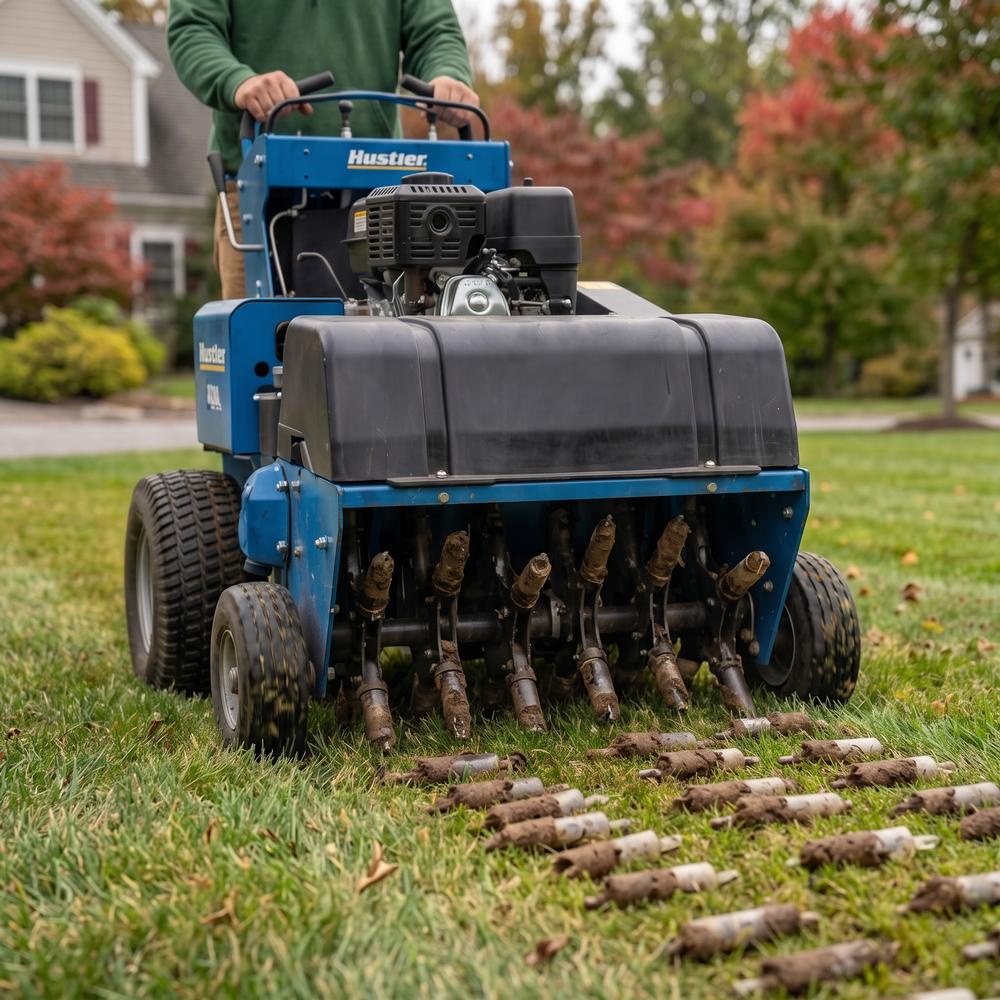
Signs your lawn may benefit from aeration include:
Soil that feels hard or compacted
Water pooling or running off instead of soaking in
Thin or weak grass
Heavily used areas of the lawn
Bare or stressed patches after summer
Aeration is also an excellent first step before overseeding because those openings can improve seed-to-soil contact.
2. Overseed: Fill In Thin and Bare Areas
If summer left your lawn looking a little sparse, you may not need to start over.
Overseeding means spreading new grass seed over an existing lawn to help fill thin areas, improve density, and refresh stressed turf.
Late summer into early fall can provide favorable conditions for establishing cool-season grasses. The soil is still warm from summer, while gradually cooler temperatures can make conditions less stressful for new growth.
And when overseeding follows aeration, seed has more opportunities to make direct contact with the soil.
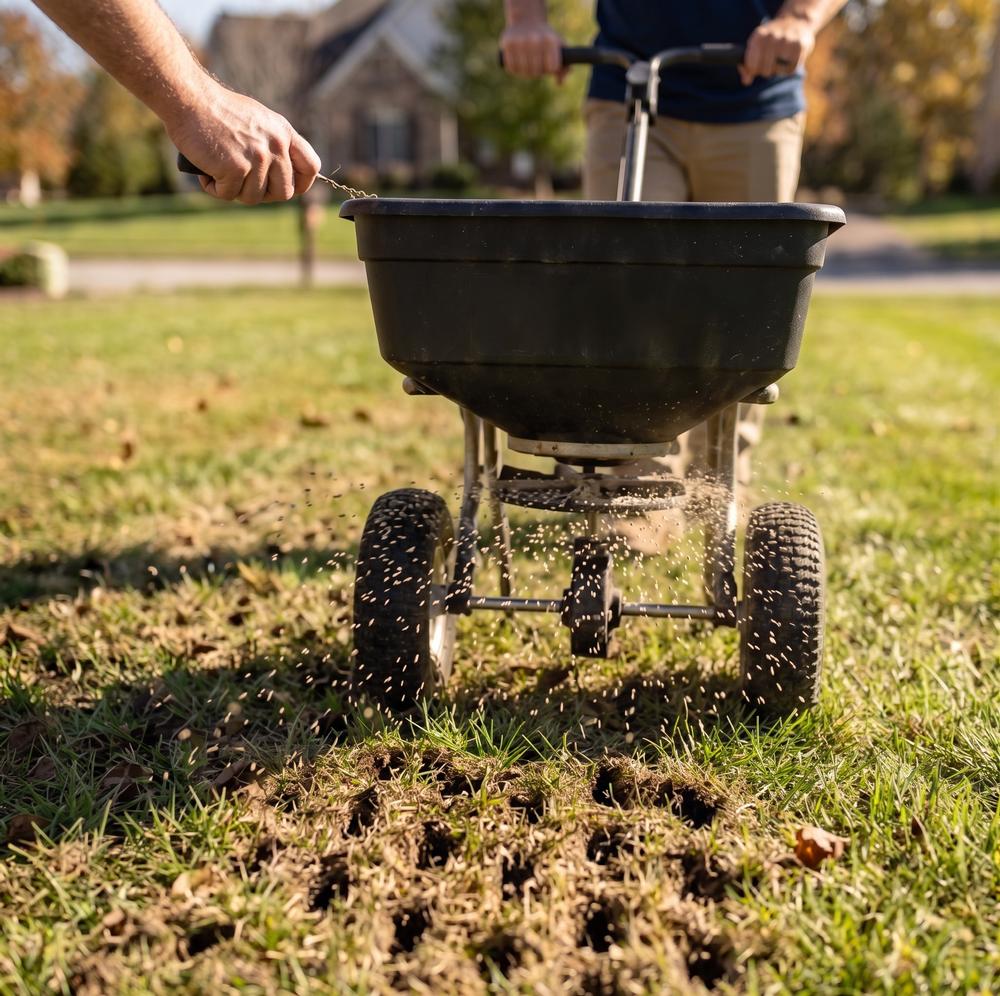
Overseeding may help if your lawn has:
Thin areas
Bare patches
Summer heat damage
High-traffic areas
An uneven or tired appearance
A thicker lawn can also leave less open space for unwanted weeds to establish.
Choosing the Right Grass Seed
Not every part of your yard gets the same amount of sun, moisture, or traffic.
Before choosing seed, consider:
How much sunlight the area receives
Whether the soil tends to stay dry or moist
How heavily the lawn is used
Whether you’re repairing a few patches or overseeding a larger area
If you’re not sure what seed makes sense for your property, stop by Kent Countryside and talk with our team before you get started.
3. Feed: Support Your Lawn Heading Into Fall
Once you’ve opened the soil and added seed, don’t forget about nutrition.
The right fall lawn fertilizer can provide nutrients that support healthy turf as your lawn transitions from the stress of summer into the cooler growing season.
This isn’t simply about making the grass look greener for a few weeks.
Good lawn care starts below the surface.
Healthy roots help grass make better use of water and nutrients and prepare the lawn for changing seasonal conditions.
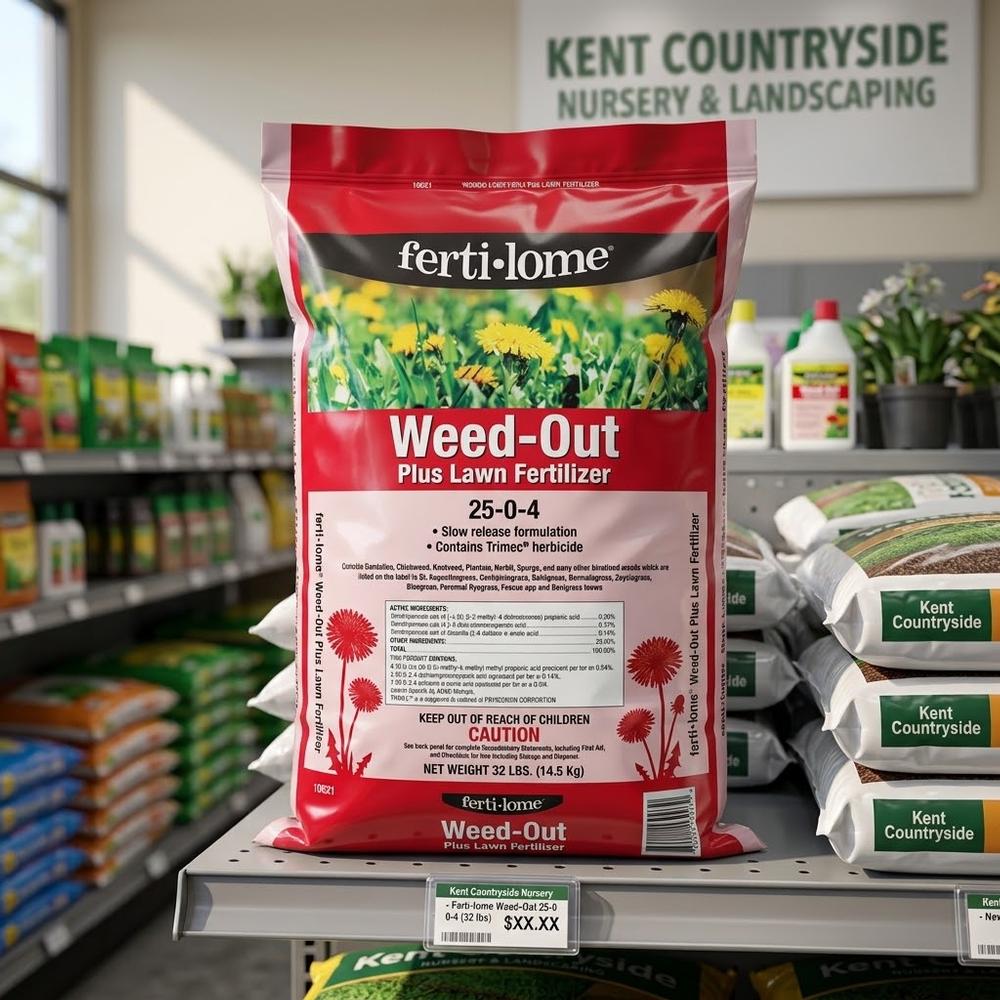
Before applying fertilizer:
Take a moment to consider what your lawn actually needs.
The right fertilizer can depend on your turf, soil conditions, timing, and whether you have recently seeded.
If you're overseeding, you may also need a product designed to support new grass establishment.
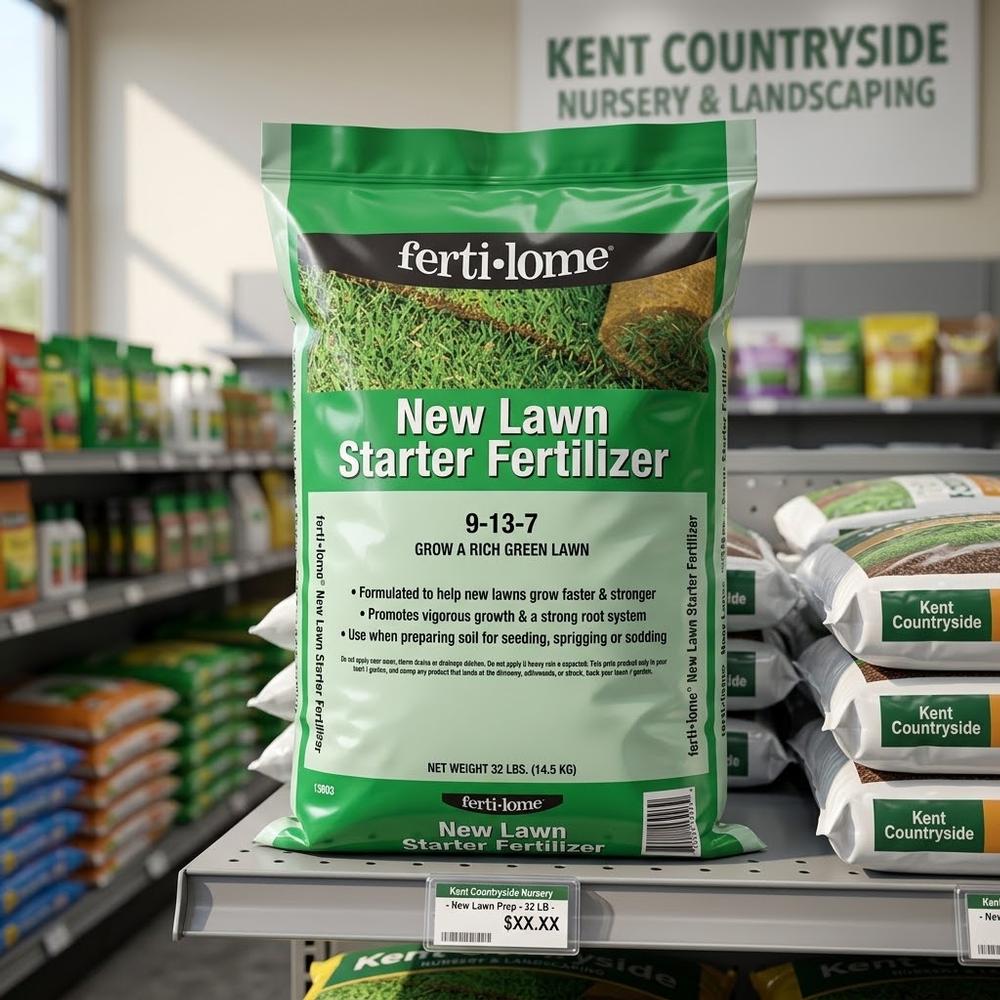
Why These Three Steps Work Better Together
Aeration, overseeding, and fertilization each serve a different purpose:
Aeration improves access to the soil.
Overseeding introduces new grass into thin or stressed areas.
Fertilization supplies nutrients to support healthy growth.
Used together as part of a thoughtful fall lawn-care plan, they can help address several of the problems that become obvious after a long summer.
Think of it less as trying to make your lawn perfect overnight and more as giving it better conditions to recover and grow.
Don't Wait Until Fall Is Almost Over
Timing matters.
Waiting until temperatures drop significantly can leave less time for new grass to establish before colder weather arrives.
That’s why late summer is a good time to take a look at your lawn, identify problem areas, and decide what needs attention.
If you're planning to aerate, overseed, or fertilize this season, now is the time to start gathering what you need.